In a close-knit mountain community like Hot Springs, we are our own best resource. During heavy snow, flooding, or power outages, our unique terrain can occasionally delay emergency vehicles. This makes “neighbor-checking” and community responsibility a vital part of our town’s safety net.
True preparedness goes beyond having your own supplies; it means ensuring that no one—especially our seniors, neighbors with disabilities, or those living in isolation—is left behind during a crisis.
🤝 The Core of Community Responsibility
Living in Appalachia means we value independence, but resilience requires a collective effort. By coordinating informal networks, we ensure that every street and holler in Hot Springs is accounted for.
1. Identify Your “Circle of Care”
Don’t wait for the storm to hit. Take a walk down your street today and identify neighbors who might need extra support:
- Seniors: Especially those living alone who may be on fixed incomes or have limited mobility.
- Individuals with Disabilities: Neighbors who rely on oxygen, refrigerated medication, or power-dependent medical devices.
- Isolated Residents: Those without reliable transportation or internet access to receive town alerts.
2. Coordinate Informal Networks
You don’t need a formal title to lead a neighborhood safety effort. You can strengthen your street by:
- The Buddy System: Pair up with another neighbor to “split” a street. One checks the even-numbered houses; the other checks the odd.
- Visual Signals: Use a simple window sign system (e.g., a green card for “All Good,” a red card for “Need Assistance”) so status can be seen at a glance.
- Communication Trees: Establish a group text thread for your specific road to share real-time updates on fallen trees or road conditions.
📋 Actionable Steps During an Emergency
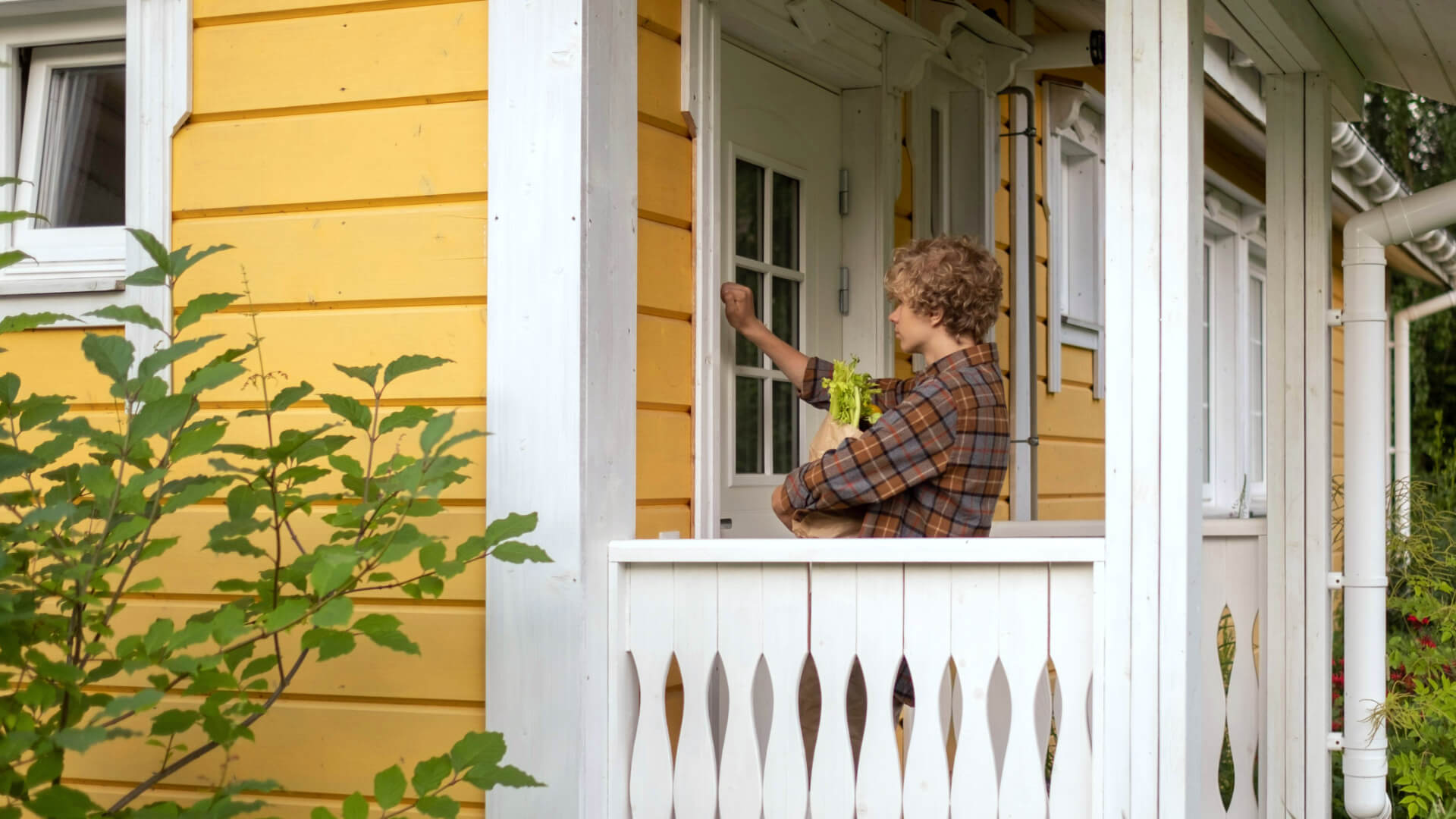
The “Knock on the Door”
When phone lines or cell towers go down, a physical check-in is the gold standard.
- Heating Safety: Ensure neighbors are staying warm safely. Remind them never to use gas ovens or outdoor grills for indoor heat.
- Access: Help clear paths to their door or mailbox so they aren’t trapped by snow or debris.
- Animal Care: Remember that animals will also need food, water, and a safe path through the snow.
Supporting Residents with Disabilities
- Power Continuity: If a neighbor has a power-dependent medical device, help them identify a backup source or offer to charge batteries if you have a generator.
- Clear Alerts: Ensure neighbors with hearing or vision impairments have a predetermined way to receive emergency warnings.
Emotional Support & Information
Isolation breeds anxiety. A five-minute conversation can be just as vital as a gallon of water. Use this time to update them on news from the Official Town of Hot Springs Facebook Page, as they may not have access to social media.
The Hot Springs Standard: We are a town that looks after its own. Whether you are a multi-generational resident or a new face in town, your role in this informal safety net is what keeps our community resilient.
Conclusion: We Are the First Responders
At the end of the day, the people living to your left and your right are your first line of defense. While our local emergency services are dedicated and professional, the reality of mountain living means that in the first few hours of a major storm or flood, it is the “Hot Springs Standard” of neighbors helping neighbors that saves lives.
By taking the time to build these connections now, you aren’t just being a good neighbor—you are building a stronger, safer town for everyone. Let’s make sure that in Hot Springs, no one has to face the storm alone.
Stay Connected, Stay Safe. If you or a neighbor have specific needs that should be on the town’s radar before the next major weather event, please reach out to Town Hall. We are all in this together.