Hot Springs, NC
Planning a visit? We recommend hotspringsnc.org for the latest information on our lovely town.
A brief history of Hot Springs, NC
A Storied Retreat in the Heart of Appalachia
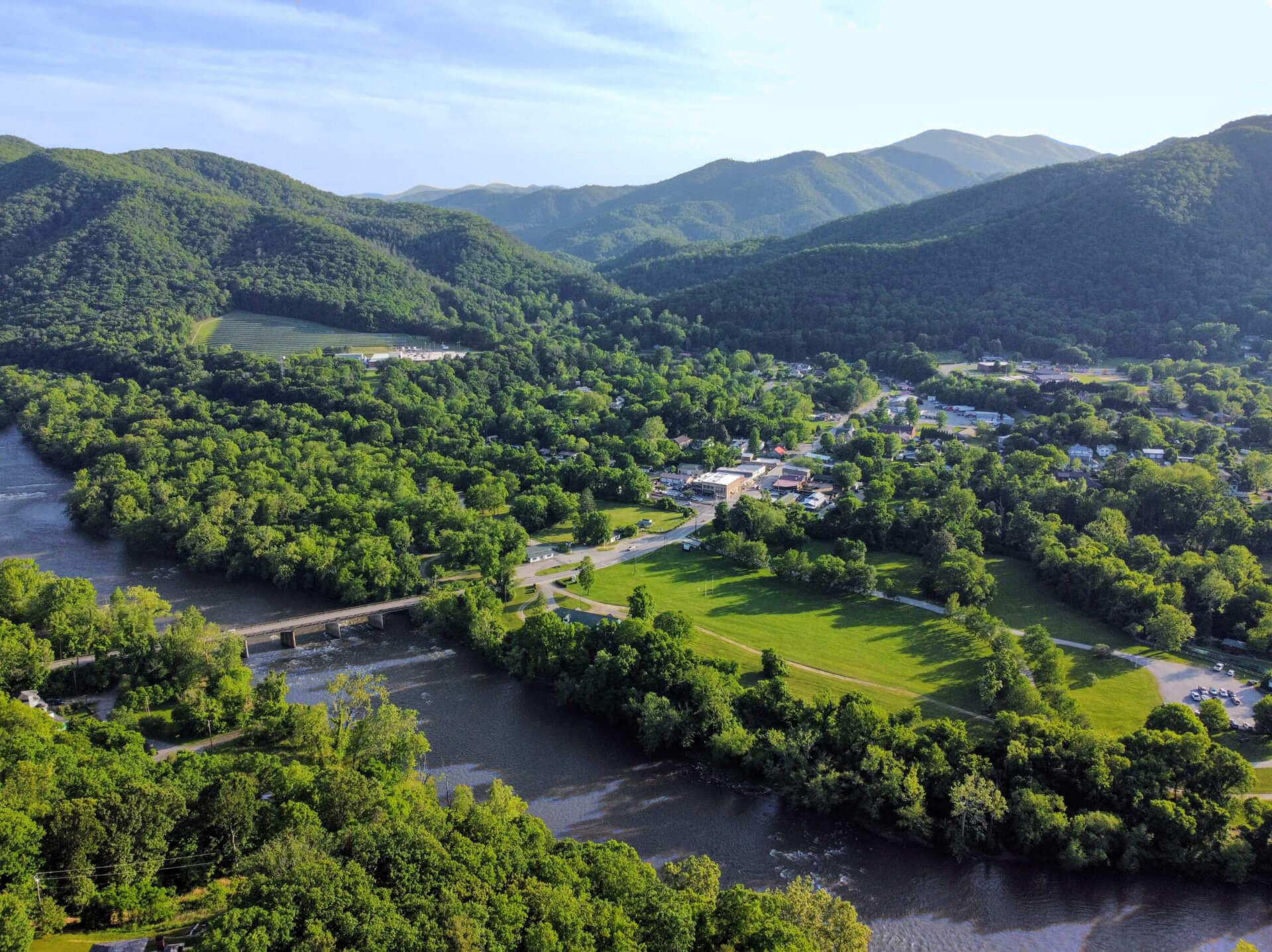
Located at the confluence of the French Broad River and Spring Creek, Hot Springs, North Carolina is home to the only natural hot springs known in the state—and one of the few in the southeastern United States. For centuries, these 100+ degree mineral-rich waters have drawn people seeking rest, healing, and renewal.
Early Origins & Discovery
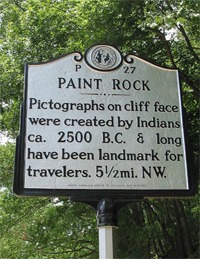
Long before European settlement, the area was sacred to Native Americans, who were the first to discover the thermal springs. Roughly five miles down the French Broad River, Paint Rock stands as a testament to this history, featuring some of North Carolina’s best-preserved American Indian pictographs. To these early inhabitants, the springs were a place of spiritual significance and physical healing.
By 1778, colonial traders had reached the area. As word of the “healing waters” spread, travelers began crossing the mountains to seek relief from various ailments. In 1791, William Neilson purchased the property for 200 pounds in Virginia currency, marking the beginning of the site as a commercial destination.
The “Superhighway” of the 1800s
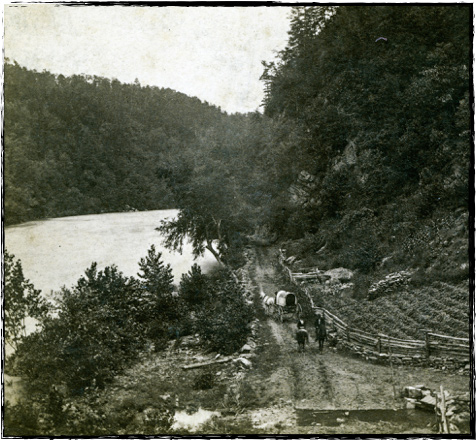
The town’s growth was accelerated by the completion of the Buncombe Turnpike in 1828. Known then as the “Warm Springs” colony, the town became a vital stop on the South’s primary thoroughfare connecting Tennessee and Kentucky to the East Coast. Farmers drove thousands of livestock—hogs, horses, and cattle—through town, while wealthy travelers stopped to “take the waters” at the local inn.
The Era of Grand Hotels
In 1831, James Patton of Asheville purchased the springs and elevated the site to a world-class resort. By 1837, he completed the Warm Springs Hotel, a massive 350-room structure featuring thirteen columns to represent the original colonies. Known as “Patton’s White House,” it featured a dining room that could seat 600 people.
The arrival of the railroad in 1882 transformed the village again. After the original hotel burned in 1884, the Southern Improvement Company purchased the land and built the Mountain Park Hotel in 1886. During this construction, a hotter spring was discovered, prompting the town to officially change its name from Warm Springs to Hot Springs. This era represented the town’s “Golden Age,” featuring:
- A 200-room luxury hotel.
- A bathhouse with 16 marble pools.
- The first organized golf club in the Southeast.
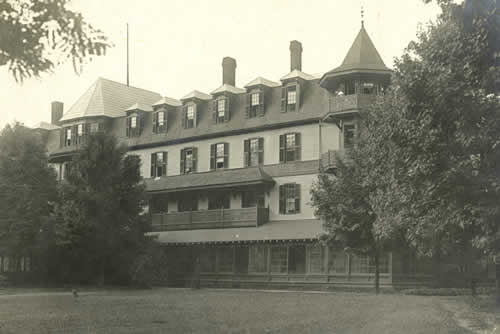
World War I and the German Internment
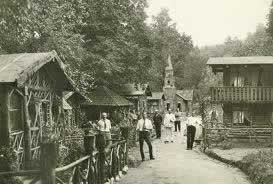
In 1917, tourism declined due to the onset of World War I. The federal government leased the Mountain Park Hotel and its grounds to serve as an internment camp for over 2,000 German merchant sailors. During their stay, the internees built a “German Village,” complete with small houses, gardens, and even a carousel. When the war ended, the hotel never regained its former status and was eventually destroyed by fire in 1920.
Modern-Day Hot Springs
After decades of relative quiet and several smaller hotels falling victim to fire, Hot Springs saw a resurgence in the late 20th century. The reopening of the mineral baths in the 1990s restored the town’s status as a wellness retreat.
Today, Hot Springs blends outdoor adventure with the warmth of a uniquely Appalachian small town. With the Appalachian Trail passing directly through Main Street, visitors can spend their days hiking, rafting the French Broad River, or soaking in mineral tubs—and their evenings enjoying local restaurants, shops, and the easy conversations that define the town’s welcoming culture.
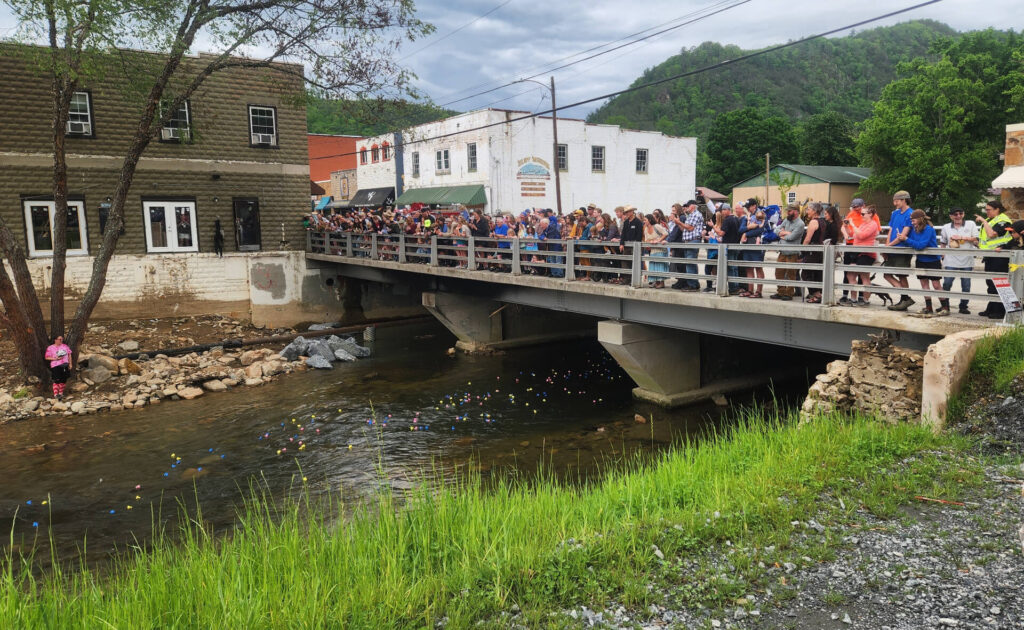
Helene Information
Hurricane Helene caused significant damage in Hot Springs, impacting homes, businesses, and critical infrastructure throughout the town. In the months since, steady progress has been made through coordinated recovery efforts, local leadership, and an outpouring of community support. While rebuilding continues, Hot Springs remains open and welcoming—inviting visitors to support local businesses, experience the town’s resilience firsthand, and be part of its ongoing recovery.
Popular Attractions
- Hot Springs Resort & Spa
- Rafting on the French Broad River
- Appalachian Trail
- Lover’s Leap Loop Trail
- Max Patch
Please visit the Welcome Center’s website at hotspringsnc.org for more information about the special things our area has to offer.